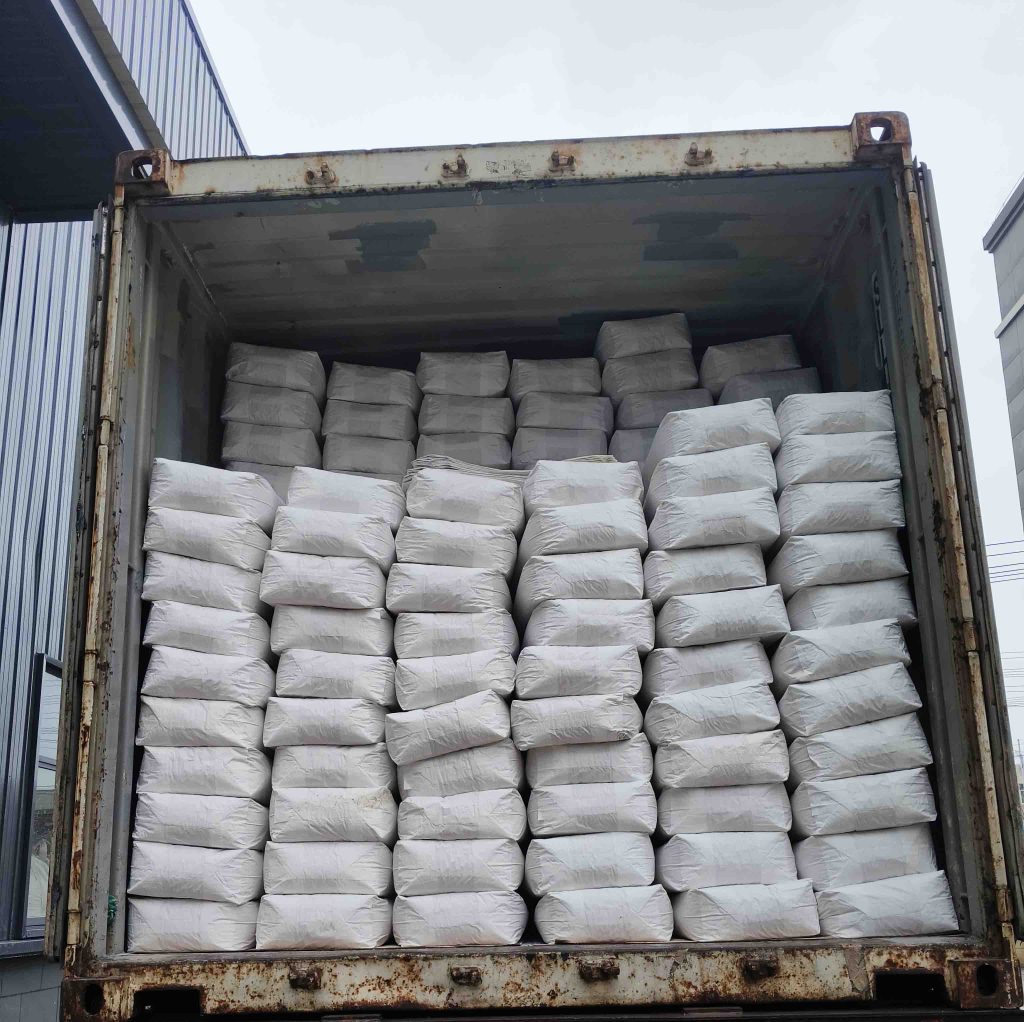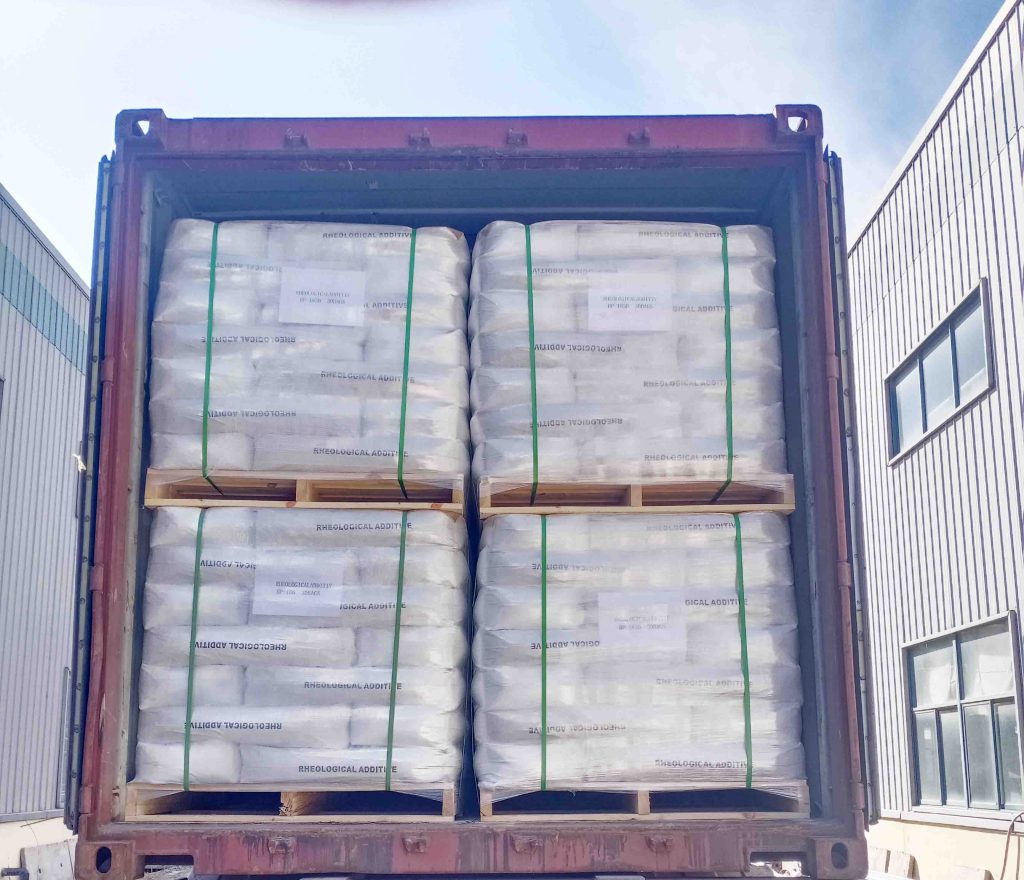
Micro glass : This type of glass microbead is divided into hollow glass microbeads, and solid glass microbeads.
significance are as follows:
1. Insulation: o Reason: Glass microspheres contain numerous air pockets, resulting in very low density. Air is an excellent insulator, which reduces heat conductivity, making glass microspheres effective as insulation materials.
o Significance: Low-density glass microspheres are used in aerospace insulation materials and construction materials.
Using low and medium-density glass microspheres reduces heat transfer, improves energy efficiency, and enhances the insulation performance of materials.
2. Weight Reduction: o Reason: Low-density glass microspheres have a much lower density than traditional materials such as metal powders and sand.
Thus, they can significantly reduce the weight of products under equivalent conditions.
o Significance: The weight reduction directly benefits the efficiency of aerospace, automotive, and sports equipment.
Reducing weight improves fuel efficiency, acceleration, and operational flexibility. In construction, lightweight concrete materials incorporating glass microspheres reduce structural weight, improve earthquake resistance, and enhance construction safety.
3. Other Applications: o Reason: The spherical shape of glass microspheres reduces internal friction, improving flow properties.
o Significance: In manufacturing, glass microspheres simplify molding processes like injection and extrusion, enhancing production efficiency. They also improve the impact resistance and wear resistance of materials.
In summary, the low density of glass microspheres enhances insulation, reduces weight, and improves various material properties, leading to increased energy efficiency and reduced costs.
These advantages explain why many industries highly value glass microspheres and underscore their significance in various applications.
micro glass
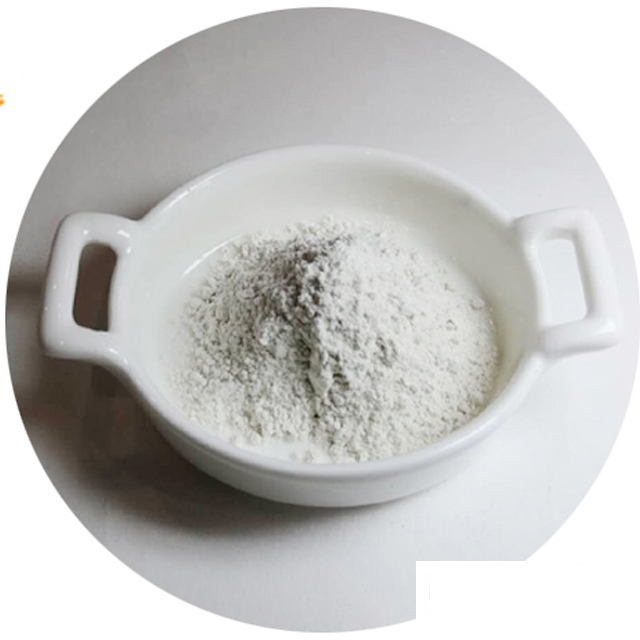
What Are Bead Blasting’s Applications?
| Aerospace industry | Remove rust and paint from mechanical components to remove knife marks. |
| Remove scratches on the rubber | Reflective paint for roads |
| Scratch treatment on the surface of stainless steel. | |
| Foundry industry; | Pre processing in the electroplating industry. |
| Semiconductor Industry | Crafts for exterior decoration |
micro glass
The density of glass microspheres is a critical physical property that directly affects their performance in various applications. Factors such as manufacturing process, application, size, and materials all influence the density of glass microspheres.
The trustworthy supplier of hollow glass microbeads around you is in China.We are willing to provide you with free samples for testing and provide you with technical support.
Please send us your inquiry as soon as possible.
Size of glass beads for blasting
Model of Bead blasting glass | Sieve Size (mesh) | Particle Size Range(μm) |
WSL17L# | 20~40 | 425 ~ 850 |
WSL 18L# | 30~40 | 425 ~ 600 |
WSL 19L# | 40~60 | 300 ~ 425 |
WSL 20L# | 60~100 | 150 ~ 300 |
WSL 21L# | 70~140 | 106 ~ 212 |
WSL 22L# | 100~140 | 106 ~ 150 |
WSL 23L# | 100~200 | 75 ~ 150 |
WSL 24L# | 140~200 | 75 ~ 106 |
WSL 25L# | 140~270 | 53 ~ 106 |
WSL 26L# | 200~325 | 45 ~ 75 |
Specification of Bead blasting glass
| Specific gravity | 2.4-2.6 g/m3 |
| Stacking density | 1.5g/cm3 |
| Type | Blasting / Shot Peening Media |
| Spherical | |
| Rockwell hardness: | 46HRC |
| Mohs | 6-7 |
| Round rate | 80% |
| Melting point | 710-730 ℃ |
| Index of refraction | 1.5—1.6 |
Glass microsphere density can be categorized into bulk density, true density, and apparent density. Typically, the density of glass microspheres ranges from 2.4 g/cm³ to 2.6 g/cm³.
More specifically, the true density of glass microspheres can range from 0.15 to 0.6 g/cm³, while the apparent density can range from 0.1 to 0.25 g/cm³, or even 1.5 g/cm³.
Glass microspheres with a density of 1.5 to 2.5 g/cm³ are commonly used in fillers, insulation materials (for improved insulation), paints, and plastics.
Their lightweight and insulating properties make them highly suitable for industrial and construction applications.
The density of glass microspheres impacts their insulating properties and their function as a lightweight filler. The reasons and