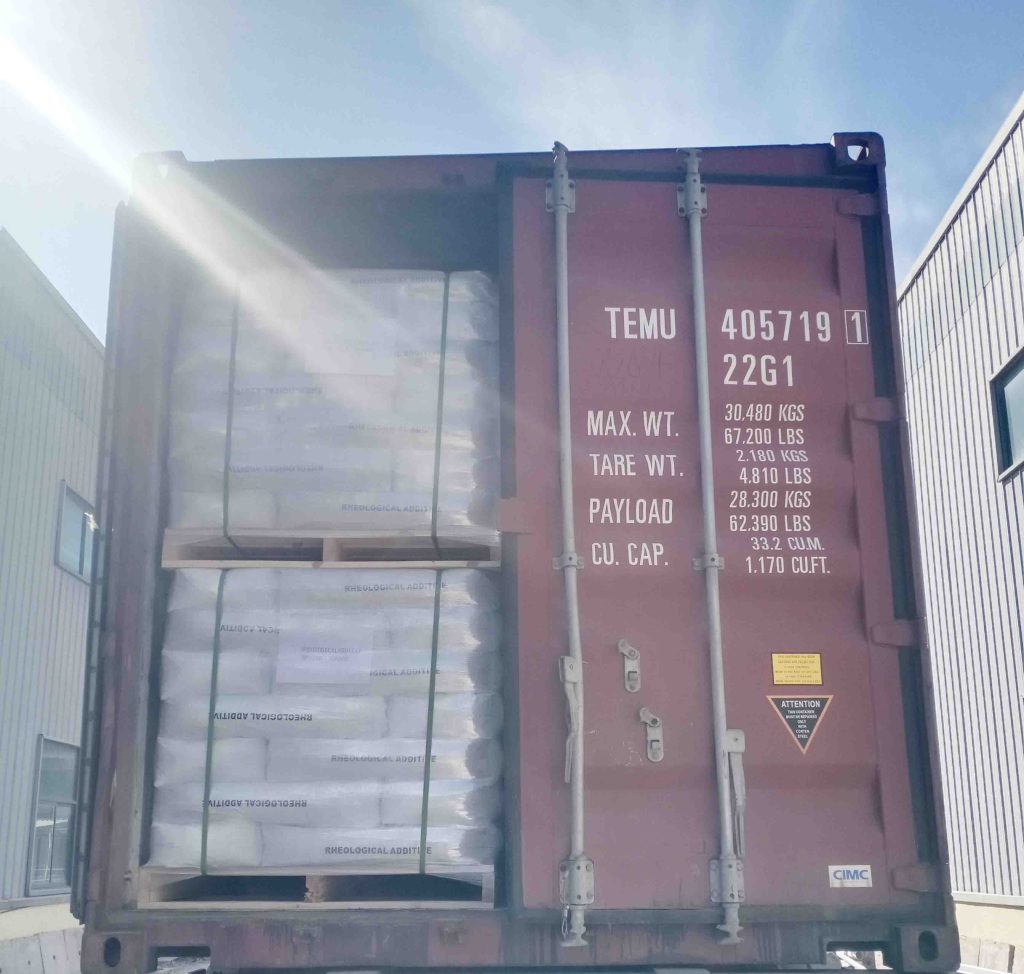
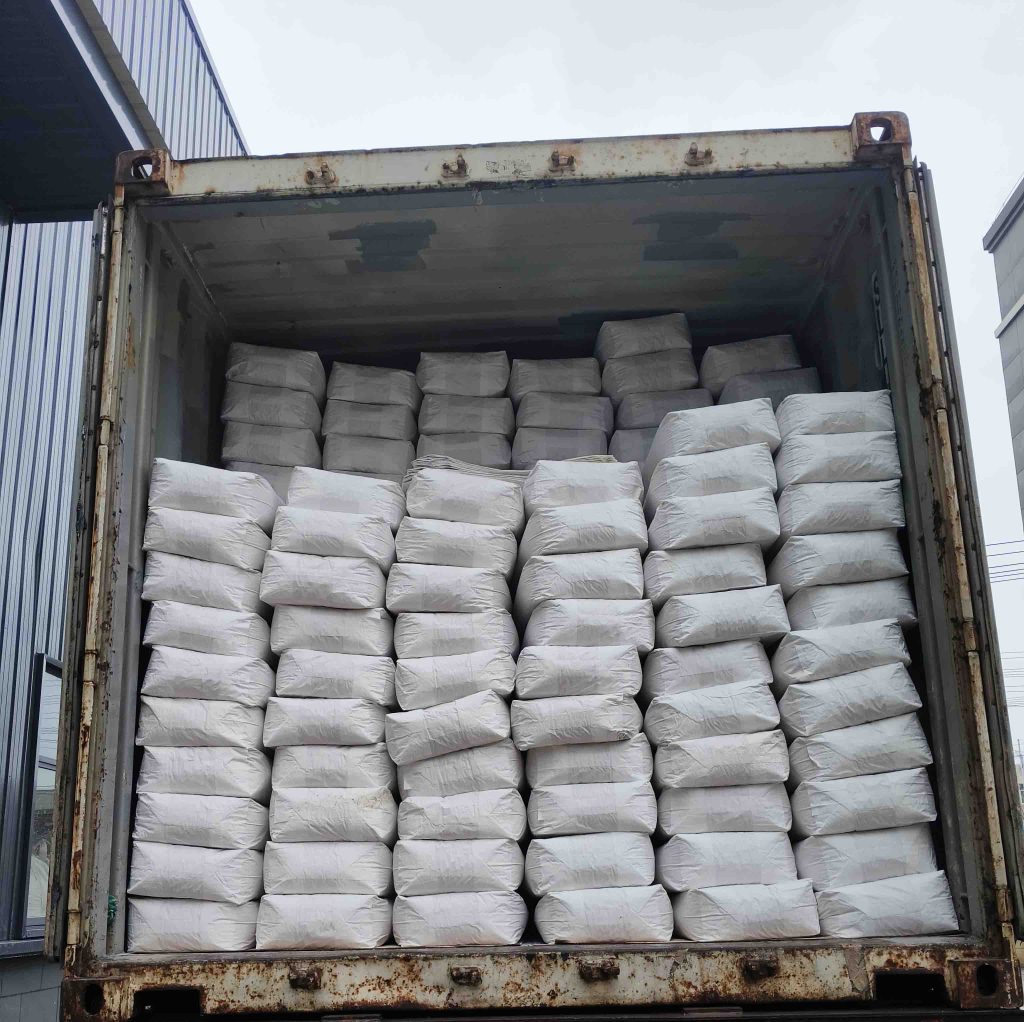
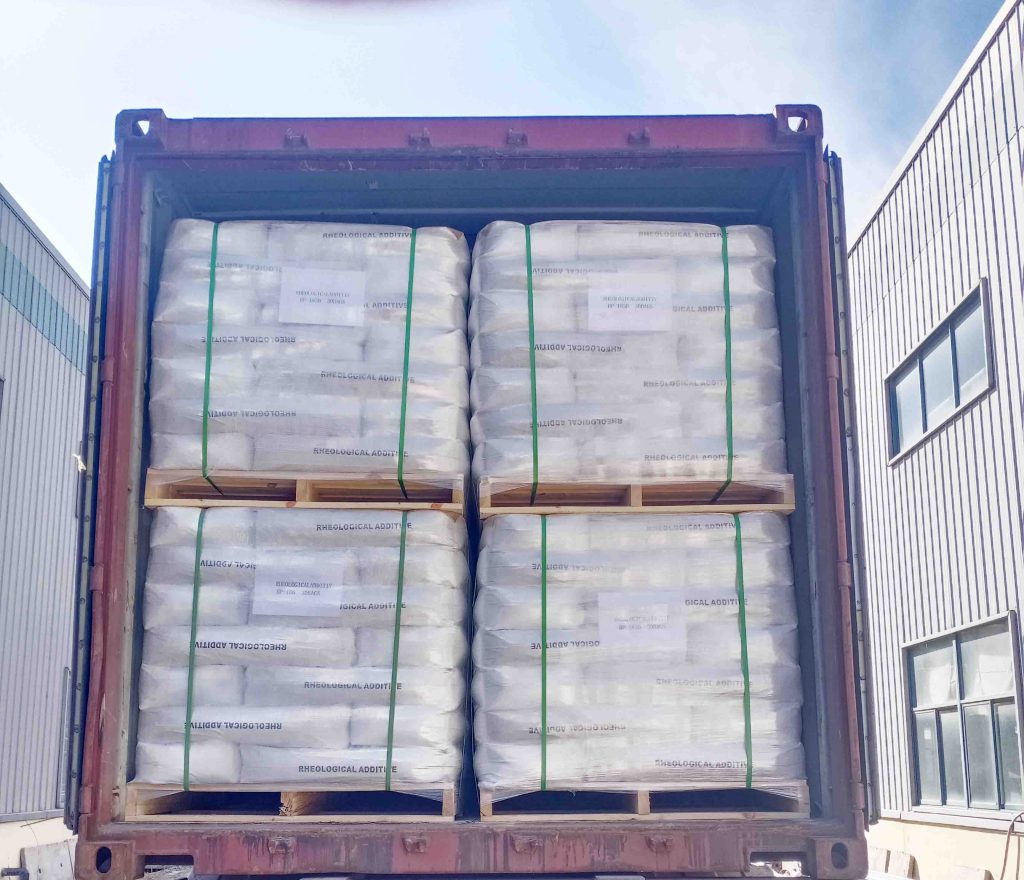
Glass hollow microspheres: In the pursuit of improved performance of building materials and environmental protection and energy saving, I would like to strongly recommend hollow glass beads – a high-performance and multi-functional building additive. These tiny spheres, made of glass as the main raw material, have become a treasure in cement mortar by virtue of their low specific gravity, high strength, good abrasion resistance and thermal stability.
glass hollow microspheres
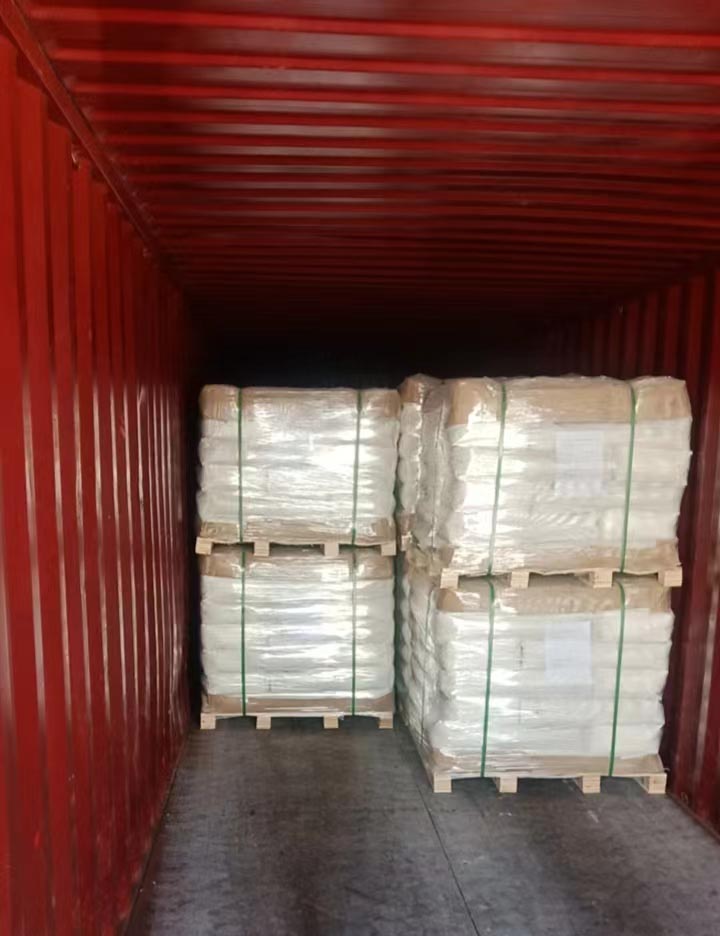
What Are Bead Blasting’s Applications?
| Aerospace industry | Remove rust and paint from mechanical components to remove knife marks. |
| Remove scratches on the rubber | Reflective paint for roads |
| Scratch treatment on the surface of stainless steel. | |
| Foundry industry; | Pre processing in the electroplating industry. |
| Semiconductor Industry | Crafts for exterior decoration |
glass hollow microspheres
Glass hollow microspheres
Imagine the extraordinary performance of your cement mortar when hollow glass beads are introduced into your project.
It can not only improve the compactness of the mortar, significantly enhance the compressive strength and flexural strength, to ensure the stability and reliability of the building structure; at the same time, its lightweight characteristics can effectively reduce the overall density of the cement mortar, to reduce the burden for the building structure, making it lighter and more efficient.
More importantly, hollow glass beads have excellent abrasion resistance and chemical stability, which means that it can effectively extend the service life of cement mortar, reduce wear and erosion, and provide a long and stable guarantee for your construction projects.
Its performance in improving the workability of mortar is even more impressive, with a spherical structure that significantly improves the flow and tightness of the mortar, making construction easier and more efficient.
Moreover, the use of hollow glass beads also helps to realize resource saving and environmental protection and energy saving.
Due to its good filling and lightweight properties, the amount of cement used can be reduced without sacrificing the performance of the mortar, thus lowering costs and reducing resource consumption.
At the same time, it also helps to reduce carbon dioxide emissions, which is fully in line with the requirements of modern green building and sustainable development.
Below are some practical application cases that further demonstrate the excellent performance of hollow glass beads in cement mortar:
Case 1: A well-known concrete company has successfully applied hollow glass beads in concrete, which not only improves the compressive strength and durability of the product, but also realizes effective cost reduction.
Case 2: In a road paving project, the cement mortar containing hollow glass beads was used as the base material, which significantly improved the abrasion resistance and crack resistance of the road, prolonged the service life, and won the high recognition of customers.
Case 3: A new lightweight concrete product developed by a construction company with hollow glass beads is very popular in the market and has brought new growth points for the company.
Case 4: In order to meet the requirements of green building, a construction material manufacturer has successfully developed environmentally friendly cement mortar, in which the addition of hollow glass beads not only improves the performance, but also reduces carbon dioxide emissions, contributing to sustainable development.
The application of hollow glass beads in cement mortar has multiple advantages, including increased strength, reduced density, enhanced durability, improved workability, material saving and environmental protection and energy saving.
It will be a key factor in the success of your project, allowing your construction project to excel in performance, economy and environment. Don’t hesitate to choose hollow glass beads to make your building stronger, more efficient and environmentally friendly!
Glass hollow microspheres
Model of Bead blasting glass | Sieve Size (mesh) | Particle Size Range(μm) |
WSL17L# | 20~40 | 425 ~ 850 |
WSL 18L# | 30~40 | 425 ~ 600 |
WSL 19L# | 40~60 | 300 ~ 425 |
WSL 20L# | 60~100 | 150 ~ 300 |
WSL 21L# | 70~140 | 106 ~ 212 |
WSL 22L# | 100~140 | 106 ~ 150 |
WSL 23L# | 100~200 | 75 ~ 150 |
WSL 24L# | 140~200 | 75 ~ 106 |
WSL 25L# | 140~270 | 53 ~ 106 |
WSL 26L# | 200~325 | 45 ~ 75 |
Specification of Bead blasting glass
| Specific gravity | 2.4-2.6 g/m3 |
| Stacking density | 1.5g/cm3 |
| Type | Blasting / Shot Peening Media |
| Spherical | |
| Rockwell hardness: | 46HRC |
| Mohs | 6-7 |
| Round rate | 80% |
| Melting point | 710-730 ℃ |
| Index of refraction | 1.5—1.6 |