How to use Organoclay? To use organoclay successfully, it’s essential to focus on the main factors that determine its quality, as they guide effective application. Start with the bentonite itself: its type, purity, and exchange capacity significantly affect how well organoclay performs. Then, the organic covering agent plays a vital role—its structure, how much is used, and the way it’s applied are key considerations. During the use and preparation of organoclay, closely monitor process conditions such as slurry density, reaction temperature, and duration. By managing these factors appropriately, you can ensure organoclay functions optimally in different scenarios, whether in manufacturing processes or end – use applications.
The CP series of organic bentonite is mainly used in solvent-based and water-based paints, coatings, inks, lubricants, cosmetics, and oilfield drilling fluids.
Rheology modifiers are an organo clay (modified bentonite), designed especially for use in solvent based system. Organic Clay can be used widely in solvents from low polarity to medium-high polarity.
Properties
Composition Organic derivative of a montmorillonite clay
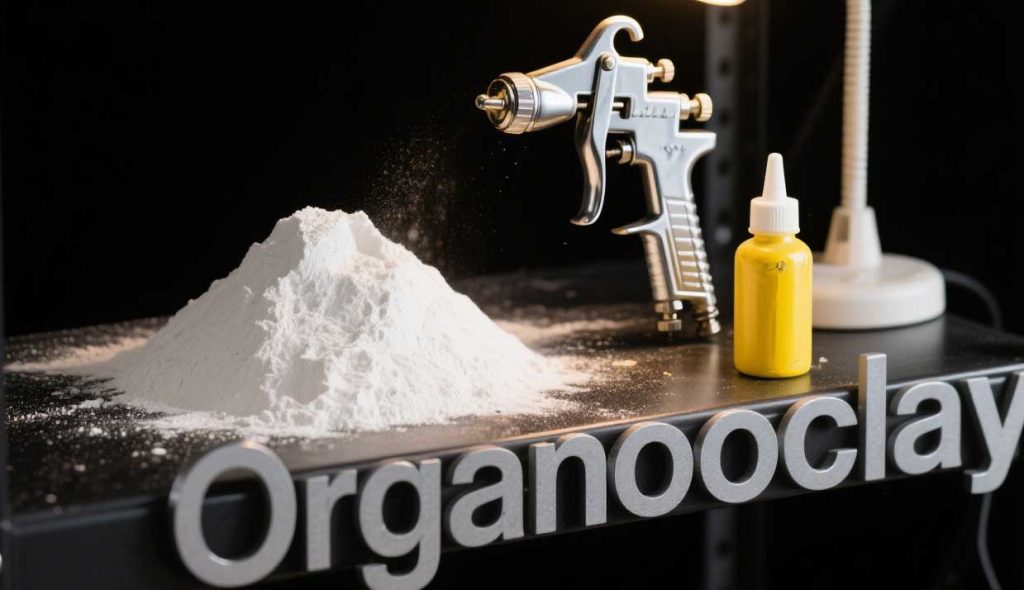
Appearance Fine powder, light yellow
Moisture content (105℃,2hr) ≤3.5%
Loss on ignition (1000℃) 28%-31%
Bulk density 0.53g/cm3
Fineness (<74μm, %) ≥98%
How to use Organoclay
Application of Organo clay
Organo clay is used in the following applications:
Sealant
Using
Organo Bentonite disperses under high shear and requires a polar activator for best efficiency. Heat is not required to obtain good dispersion. Addition levels are typically in 0.2%~2.0%. Polar activator (95% Ethanol or 95% Methanol) is needed. Normally addition level of polar activator is recommended to be 45%~60% of CP-40 in weight. If in xylene system, addition level of polar activator is about 30%-40% of CP-40 in weight.
Pre-gel is made as below procedure.
Package
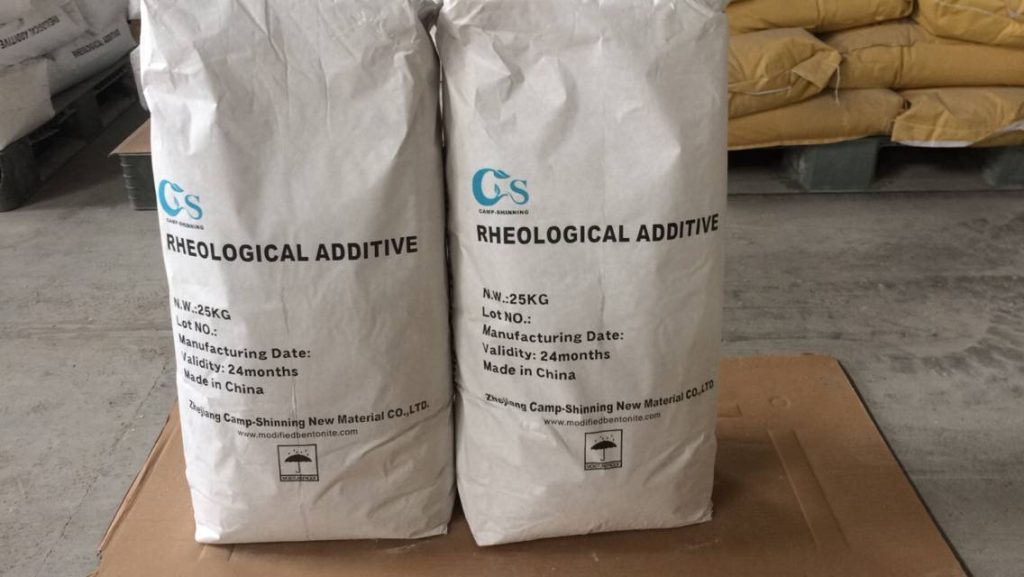
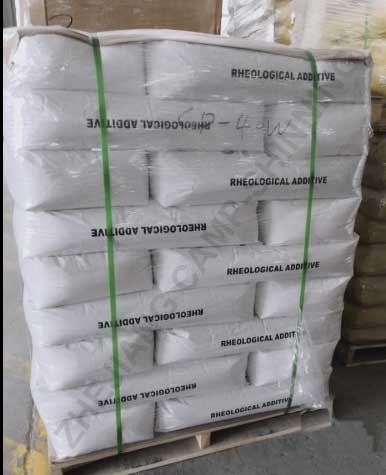
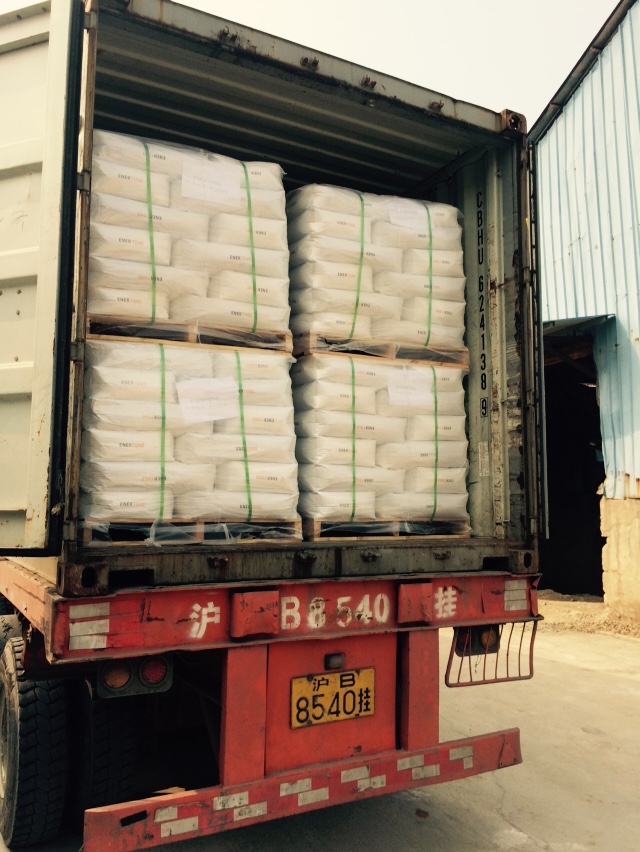
Kraft bag or kraft complex interior with PE or customized
Storage
Organic bentonite clay has a shelf life of 2 years, and should be stored in a ventilated, cool and dry place.
Safety
All safety information is provided in the Material Safety Data Sheets for Zhejiang Camp-Shinning New Material Co.,Ltd..
Email: [email protected]
Whatsapp : 0086-13185071071