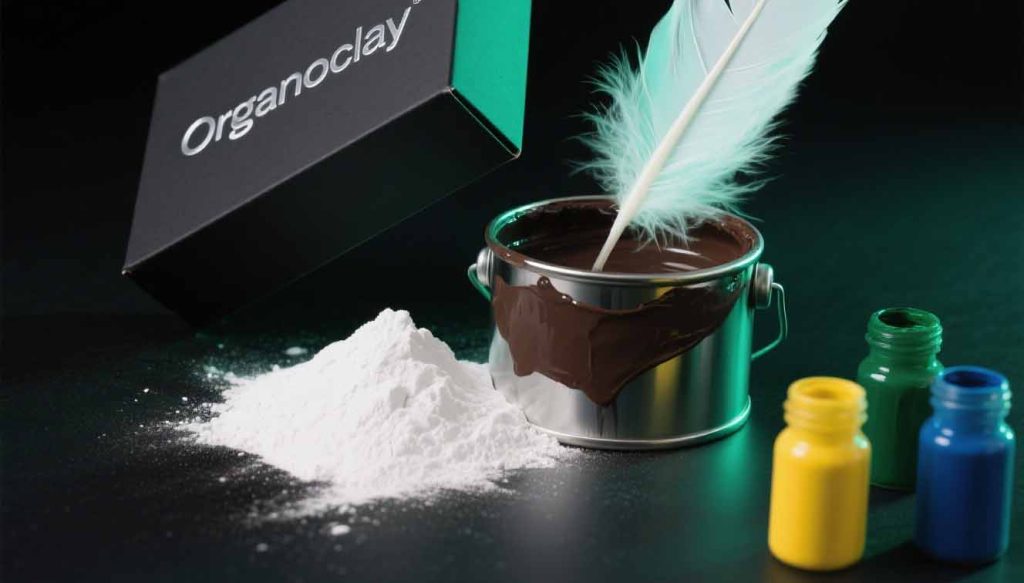
Organophilic Clay is an easy dispersing, self activating organoclay that exhibits high performance efficiency in diesel, low aromatic mineral oil, modified vegetable oil and synthetic base fluid formulation. Organoclay CP-150 unique rheological structure suspends weighting materials and other solids with less increase in viscosity and gel strength than conventional bentonite. Rheology modifiers are highly effective in distillate and mineral oil-based invert fluids.
Organoclay dry process advantages
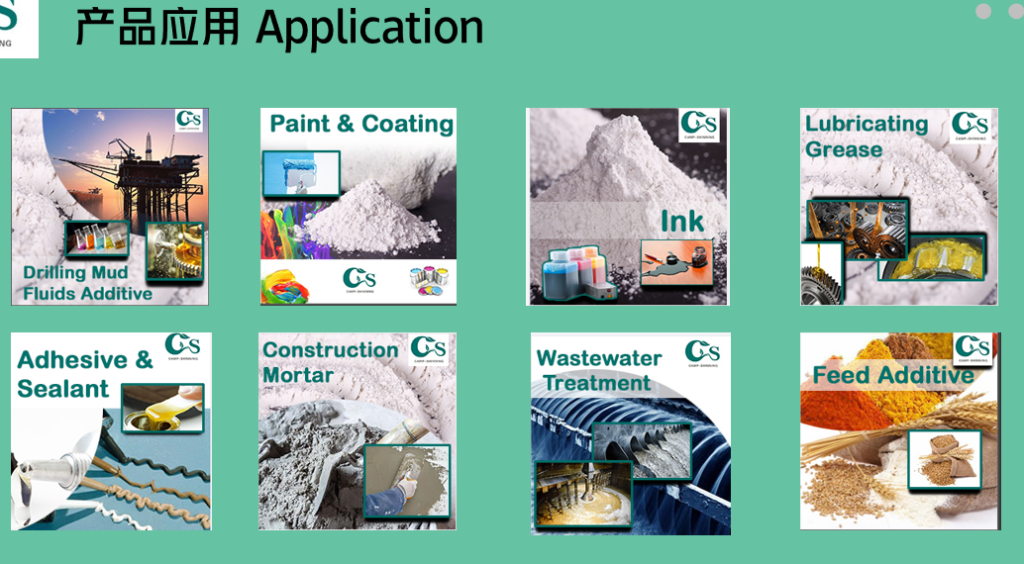
Organo clay Bentonite is used for Oil drilling Mud,
Paint,coatings, inks, grease and domestic etc.
Base oil:
- Diesel Oils
- Mineral Oils
- Synthetic Oil
- Linear and isomerized Alpha Olefins
- Modified vegetable oil
Viscosifying drilling Fluids:
- All oil based drilling fluids
- Invert emulsion fluids
- Workover fluids
- Fracture fluids
Composition of Organic clay
Organically modified bentonite clay
Appearance Off white to tan finely divided powder,
Moisture content (105℃,2hr) ≤3.5%
Specific Gravity 1.7
Bulk density 0.40~0.60g/cm³
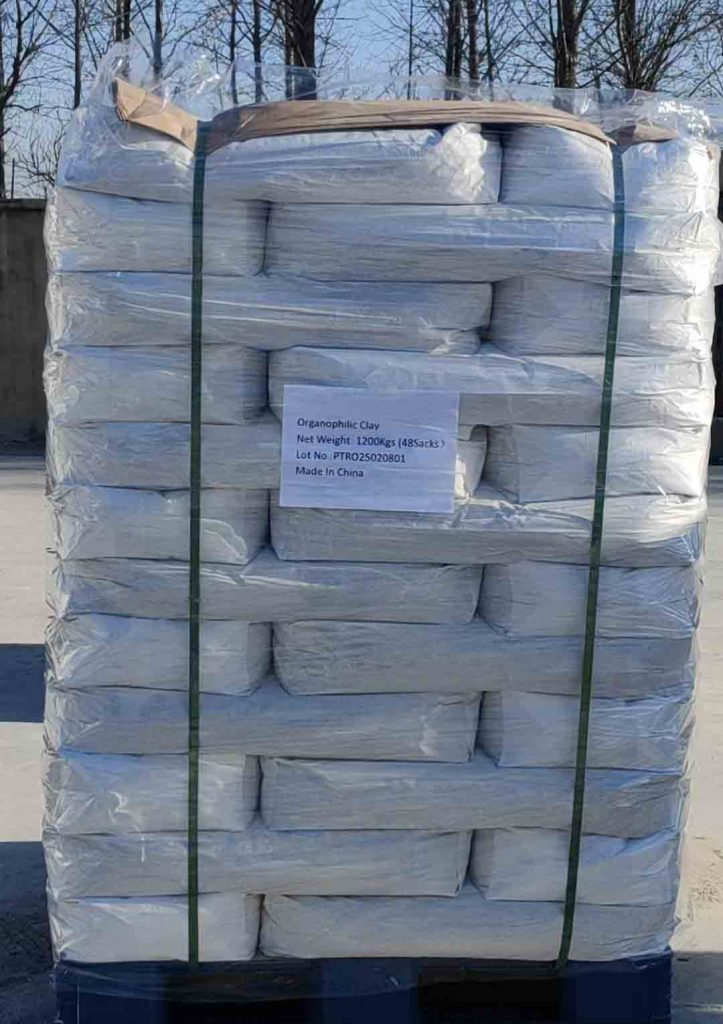
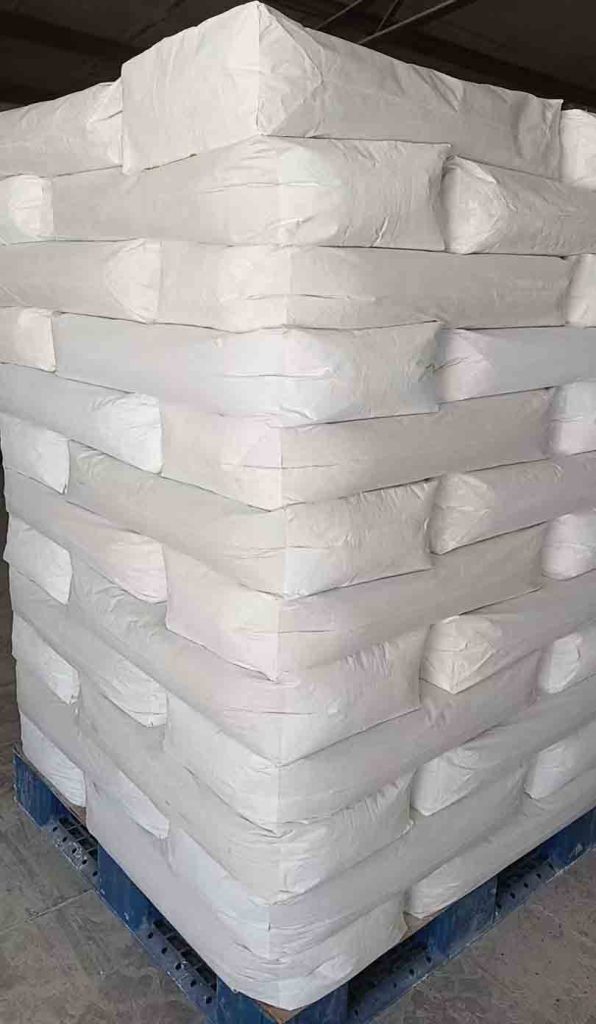
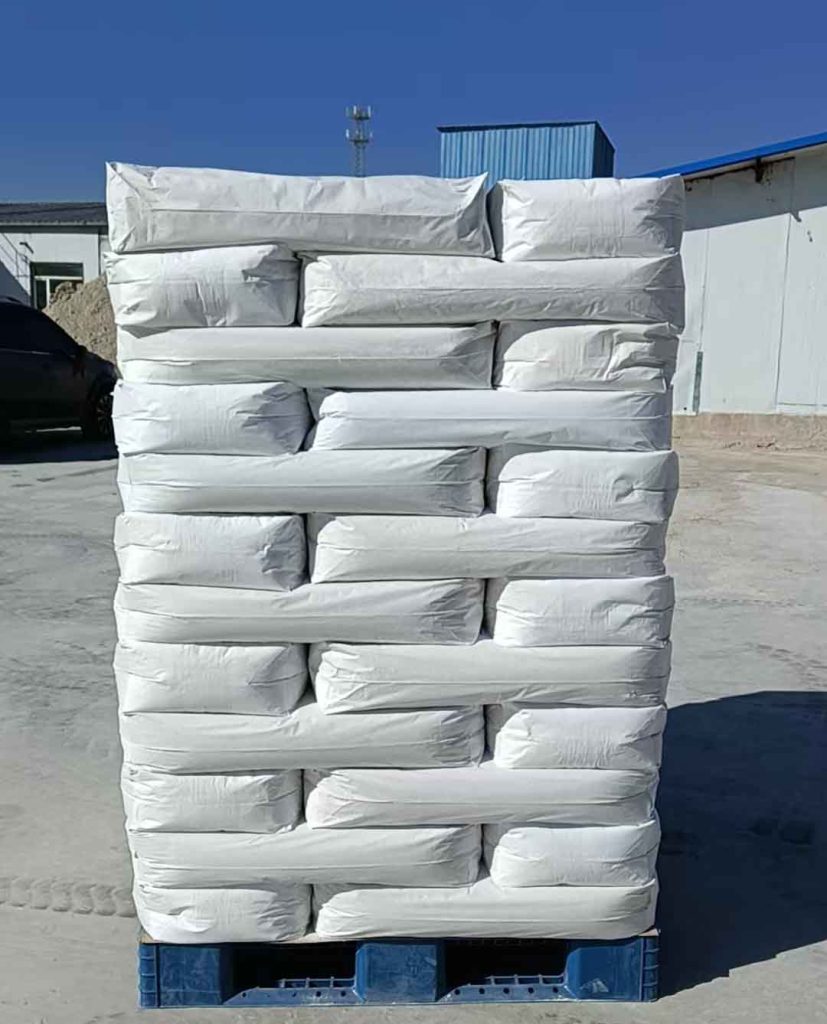
Organobentonite Packages
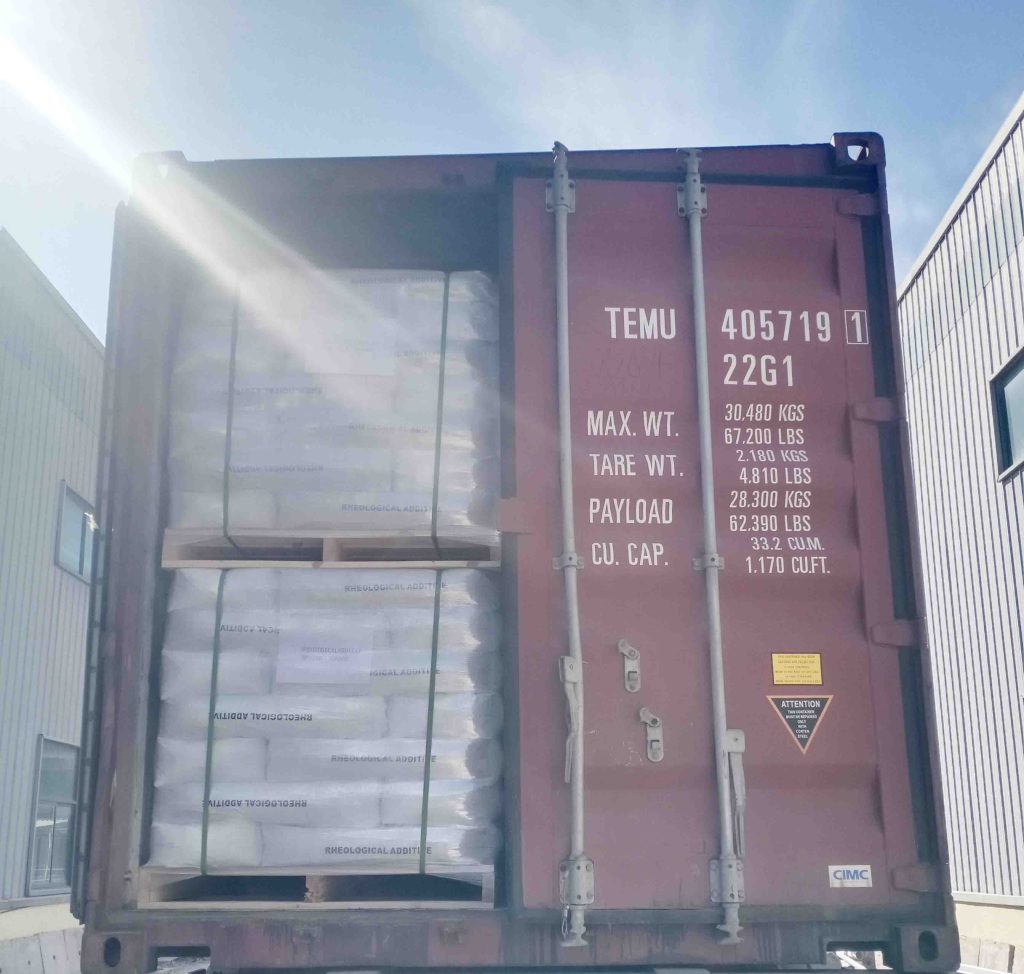
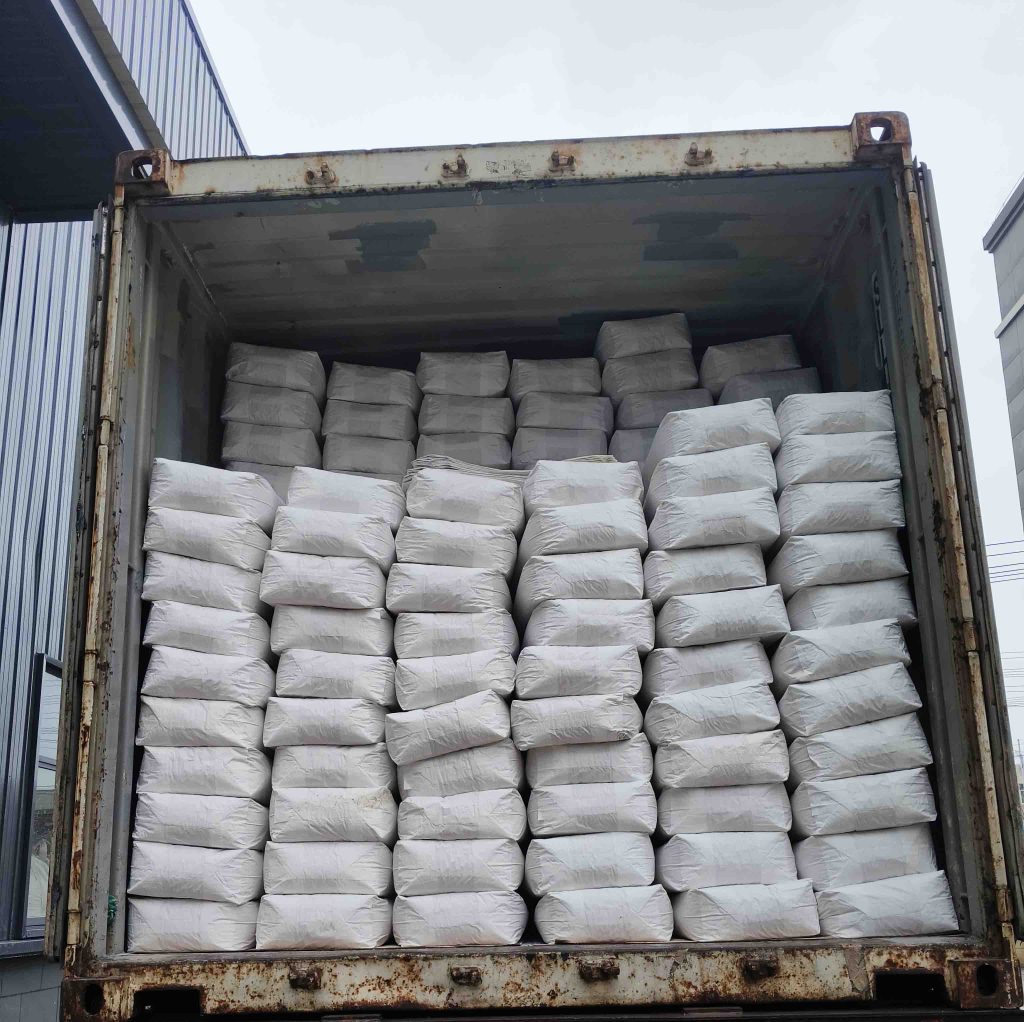
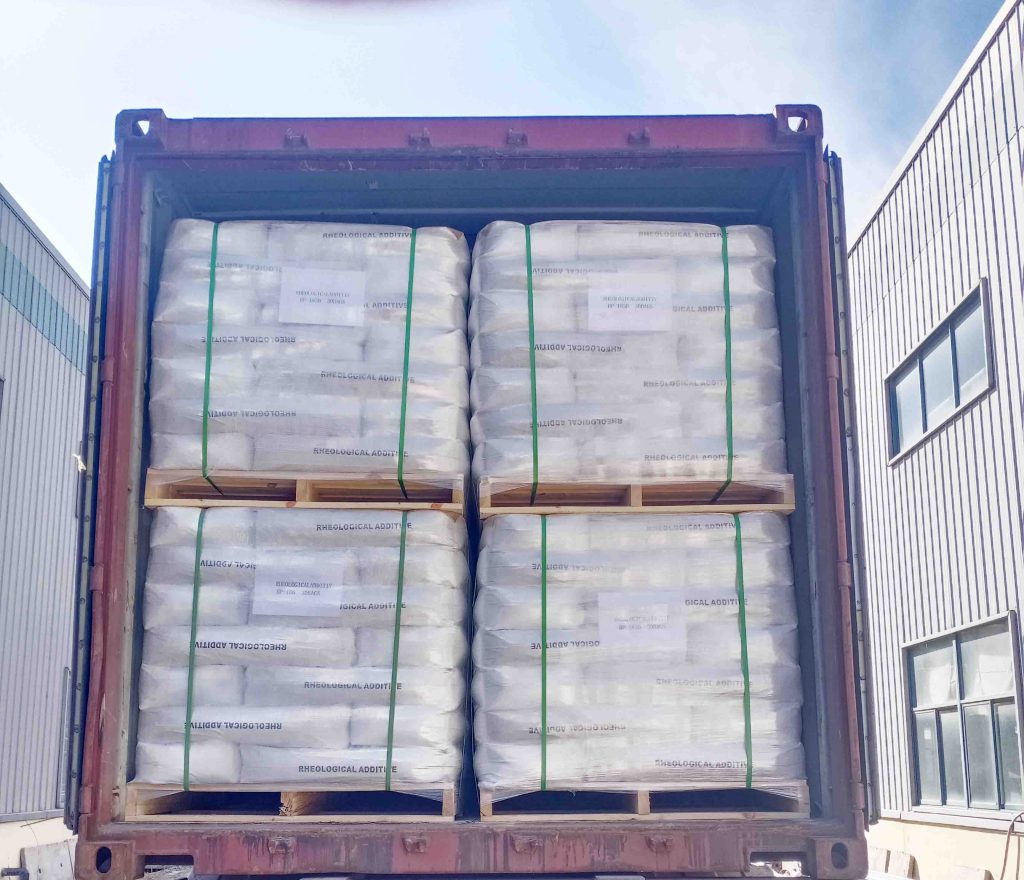
Kraft paper bag with PE liner or multi-wall paper sacks or customized. 25kg/bag or 22.68kg/bag or customized.
Organophilic clay Store in a dry, well-ventilated area with temperature of 0℃-30℃. Keep container closed. The quality guarantee period is 24 months.