The environmental advantages of organic bentonite make it an ideal choice for green lubricants and adhesives.
Its raw material is derived from natural montmorillonite clay, which undergoes physical purification and organic modification, with no toxic or harmful substances emitted throughout the production process.
In biodegradability testing (OECD 301B standard), the 28-day biodegradation rate reached 65%, far exceeding the 30% level of synthetic polymer thickeners, making it particularly suitable for use with plant oil-based base oils to produce biodegradable lubricant products.
In terms of VOC (volatile organic compound) control, the product reduces VOC emissions by over 50% compared to traditional formulations due to reduced usage of polar activators, meeting EU REACH and US EPA environmental standards. A company achieved environmental certification through this product, increasing its market share in the EU from 10% to 30%, transforming environmental advantages into market competitiveness.
Scientific storage conditions are the foundation for maintaining the stable performance of organic bentonite, directly affecting its subsequent usage effectiveness. The product should be stored in a well-ventilated warehouse with a temperature ≤35°C and relative humidity ≤60%, avoiding direct sunlight and moisture-induced caking. Experimental results show that when stored in a humid environment (80% humidity) for three months, the product’s moisture content increases to 8% after absorbing moisture, the dispersion time extends to three times the original duration, and the gel strength decreases by 40%. High-temperature environments (above 40°C) accelerate the oxidation of organic modifiers, resulting in a 20% reduction in activation efficiency after six months of storage.
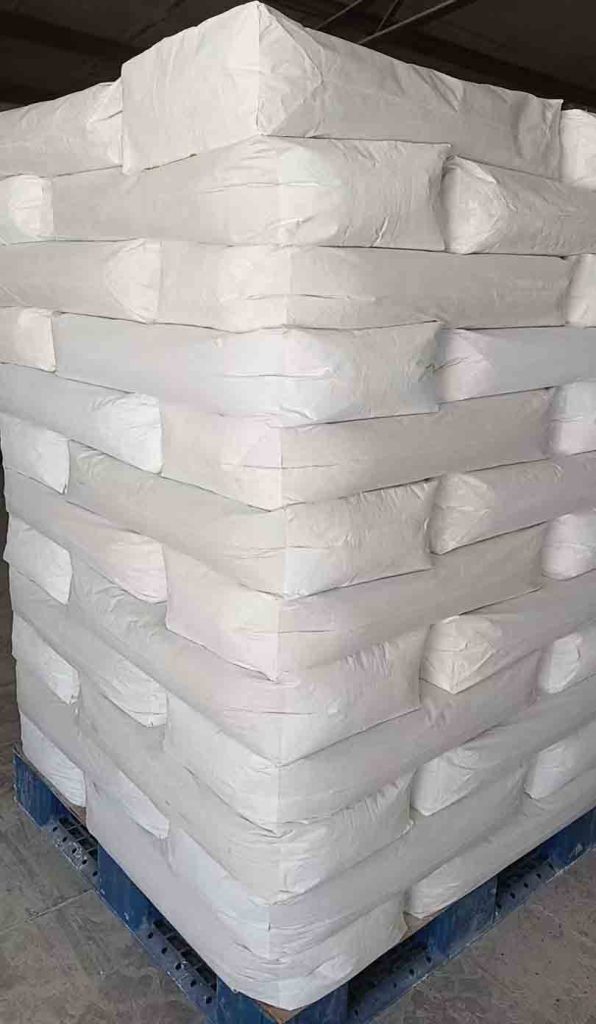
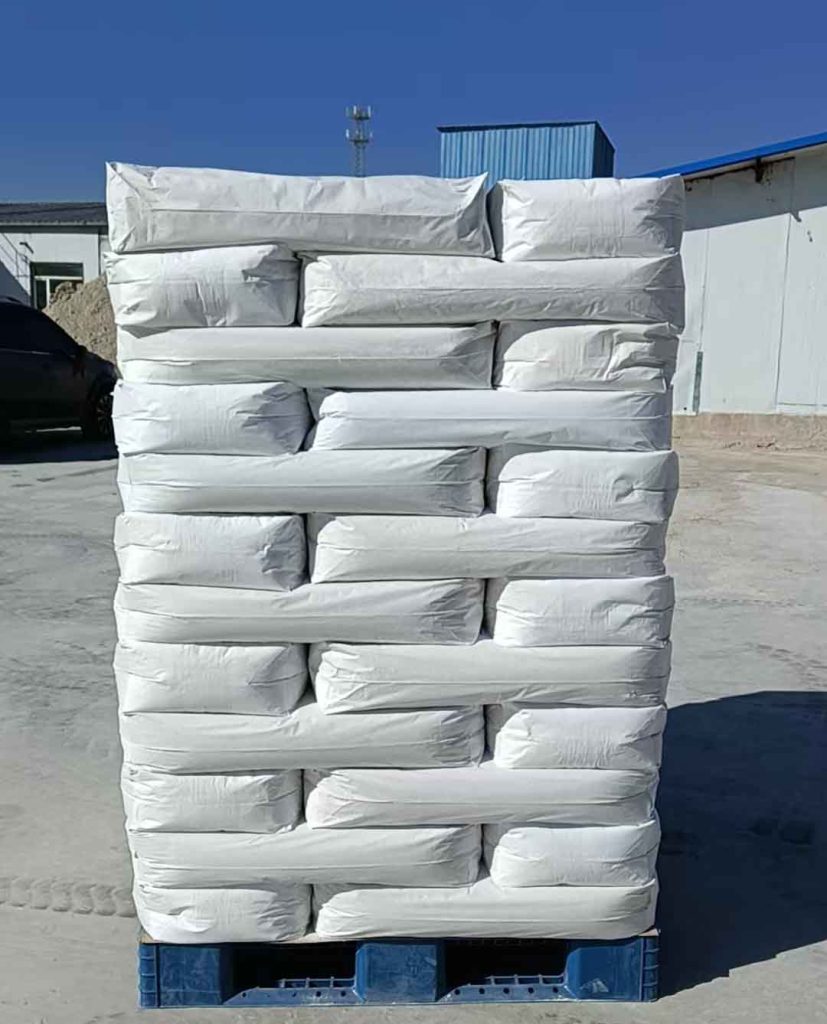
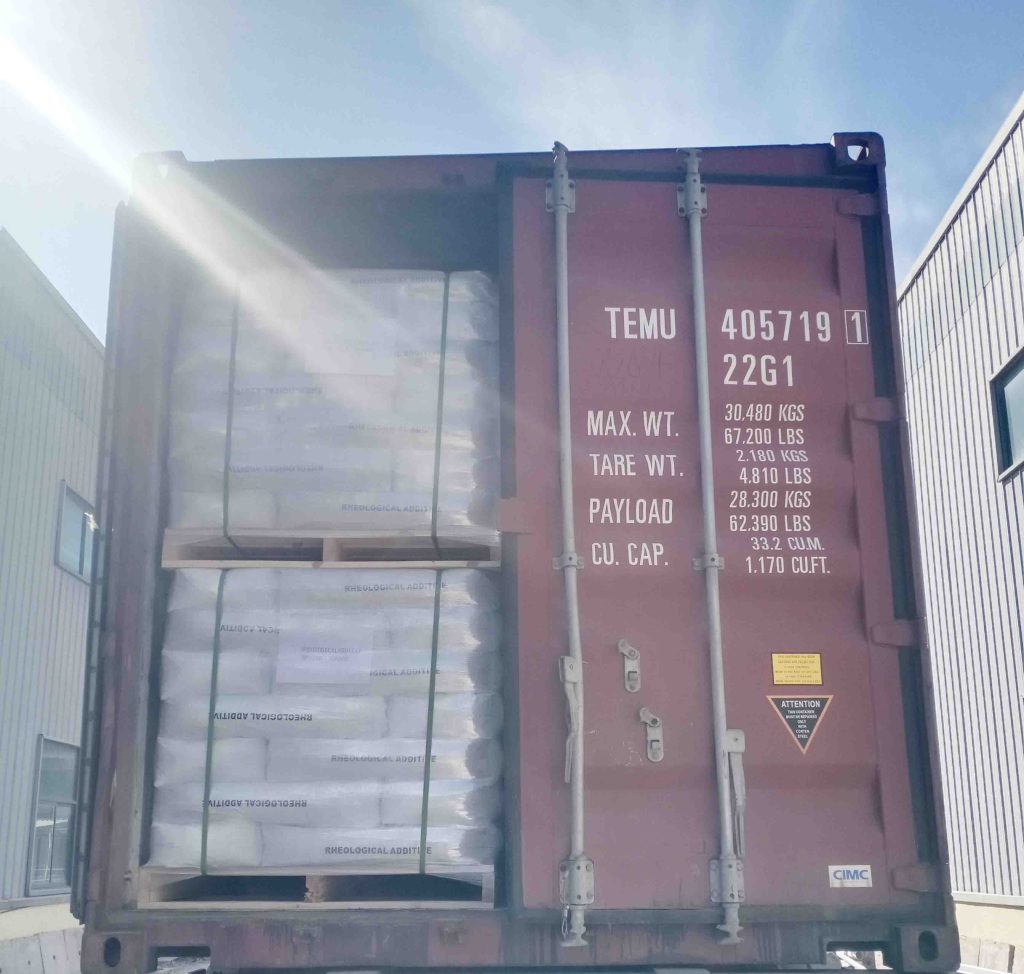
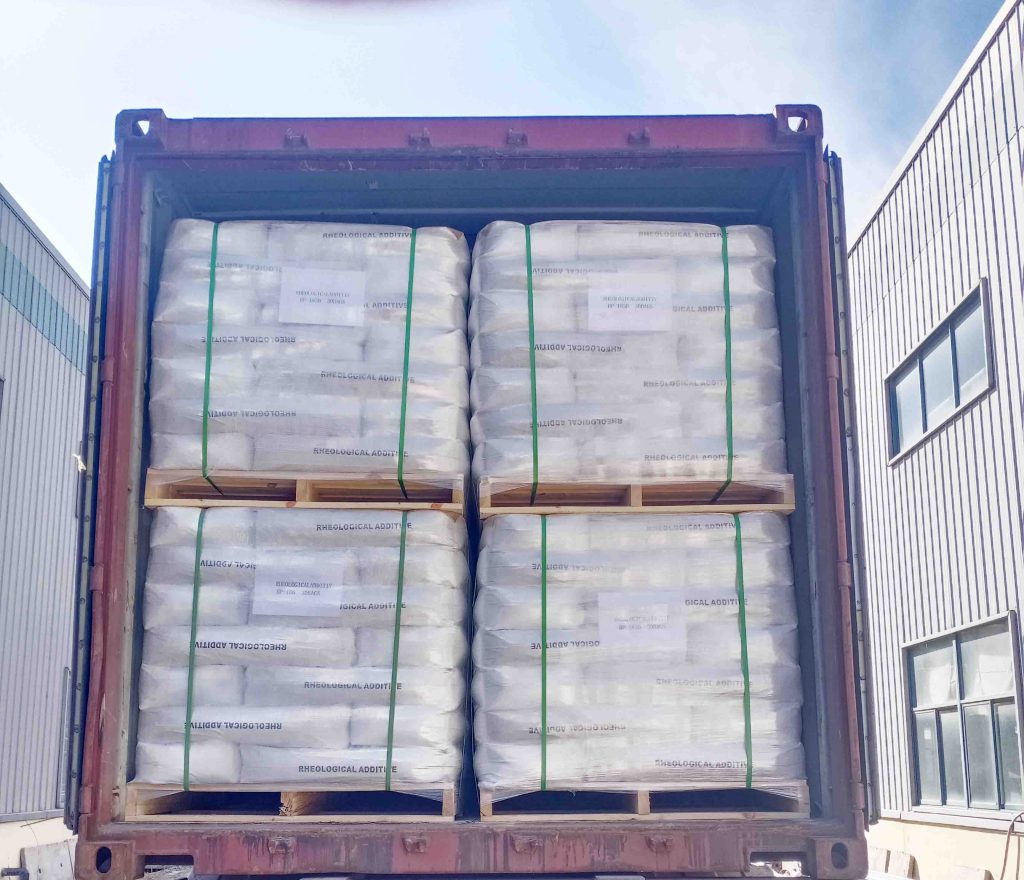
In warehouse management, it is recommended to store the product on pallets elevated off the ground, maintaining a distance of over 30 cm from walls. Damaged packaging must be sealed promptly. Strict adherence to storage guidelines ensures the product maintains optimal performance within its 2-year shelf life. A certain distributor achieved a 100% product合格率 by optimizing storage conditions.
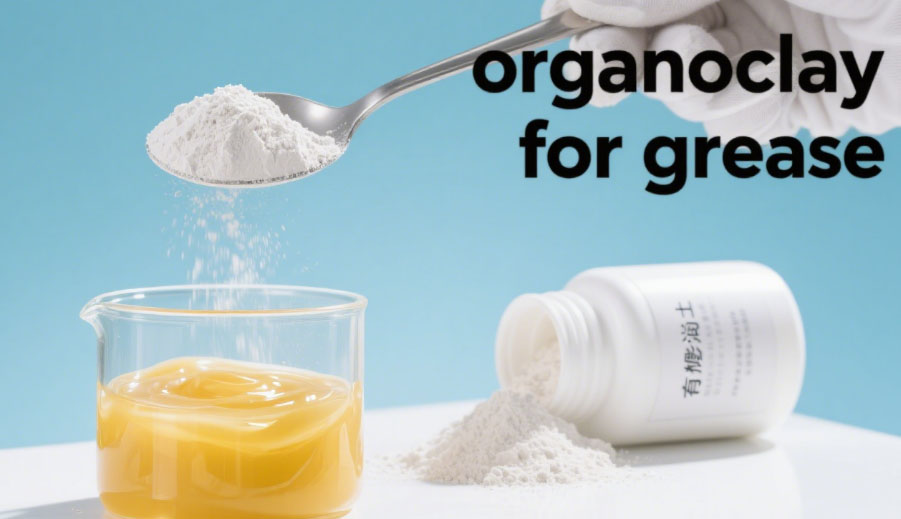
Organoclay for Grease
Organophilic clay CP-720A is a kind of purified and modified organoclay rheological additive, designed especially for using in Grease based on synthetic oils such as vegetable oil, polyester oil. Organic clay has high gelling efficiency, fine thixotropy and perfect anti-settling.
Organiclay bentonite CP-720A is used in the following applications:
Advantages of Organoclay Rheological Additive
Properties of Organoclay
Composition Organic derivative of a montmorillonite clay
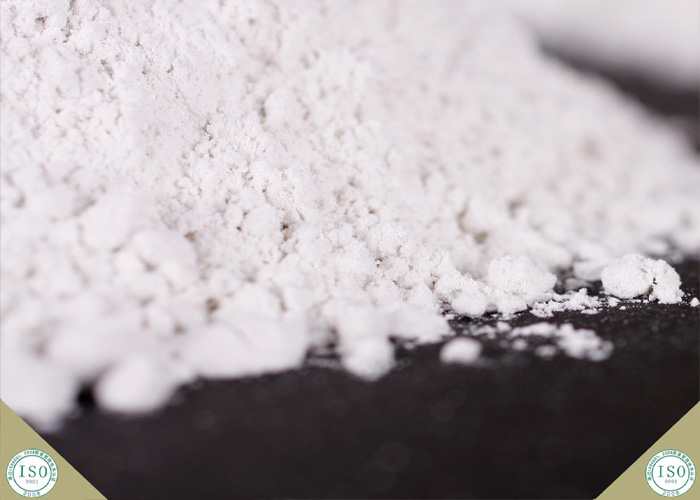
Appearance Fine powder, light yellow
Moisture content (105℃,2hr) ≤3.5%
Loss on ignition (1000℃) 34%-36%
Bulk density 0.42g/cm3
Fineness (<74μm, %) ≥98%
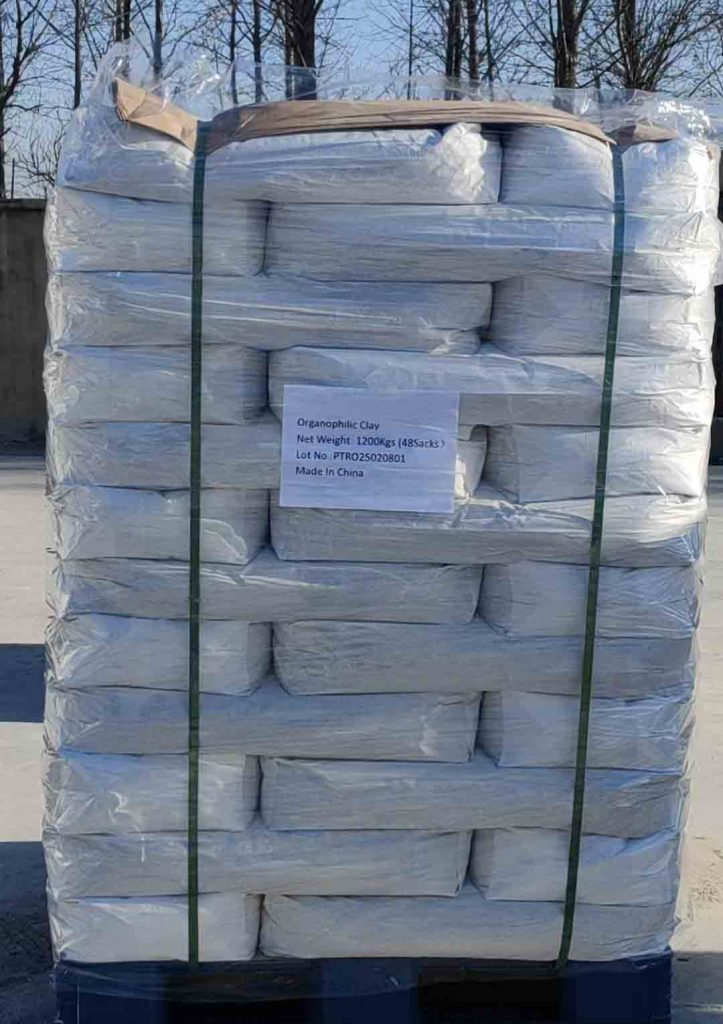
Organobentonite Packages
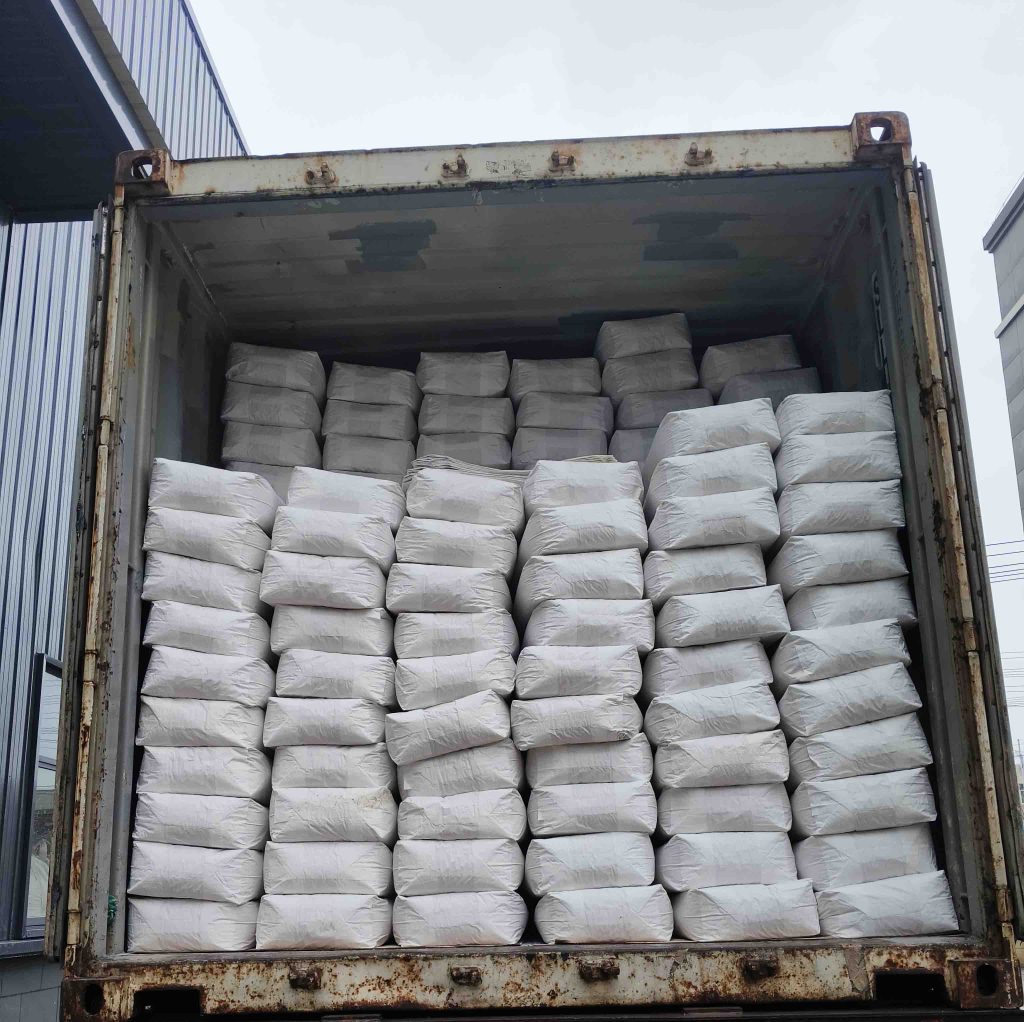
Kraft paper bag with PE liner or multi-wall paper sacks or customized. 25kg/bag or 22.68kg/bag or customized.
Organophilic clay Store in a dry, well-ventilated area with temperature of 0℃-30℃. Keep container closed. The quality guarantee period is 24 months.
When it is used in Grease Lubricant, polar activator is needed. Polar activator is acetone/water(95/5). The dosage of activator is 20%-30% of the weight of CP-720A. And also high shear can promote the dispersing of rheology modifier CP-720A.
Adding procedure as follows:
Note: With High-speed dispersant of grinding machine, and properly prolong the dispersing time, better gelatin performance can be reached.
The Lubricanting grease which uses organoclay as thickener will own high dropping point, thus can be used under high temperature and presents good impermeability and water resistance.