
The production and processing methods of organophilic clay bentonite are divided into dry processed and wet processed. The organic bentonite processed by the method is mainly suitable for coating, ink, lubricating grease, and water treatment and oil-based drilling fluids.
Properties
Composition Organically modified bentonite clay
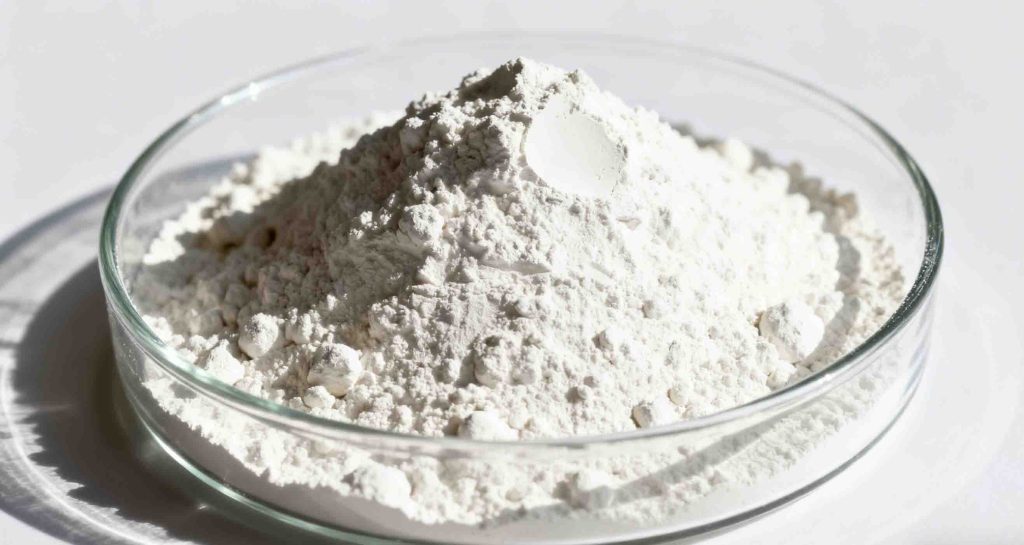
Appearance Off white to tan finely divided powder,
Moisture content (105℃,2hr) ≤3.5%
Particle size, % Thru 200 Mesh ≥98
Advantages
Modified bentonite clay: A natural clay (primarily montmorillonite) that has been chemically altered to be hydrophobic (water-repelling) and organophilic (The ability to adsorb oil is particularly outstanding. ).
Dry processing bentonite: The production process involves drying the bentonite thoroughly and then applying the organic modifier, which is a key step for its performance in organic solvents and oils. (It is particularly suitable for the production of oil drilling fluid based on diesel systems, mineral oils, and synthetic oils.
Raw Material Selection: High-purity bentonite is carefully selected to ensure stable performance.
Washing & Pre-Treatment: The clay undergoes thorough washing to remove natural impurities and prepare it for modification.
Ion Exchange Process: The purified clay is reacted with an organic modifier—typically a quaternary ammonium compound—to replace its natural cations and transform it into an organophilic material.
Washing & Drying: After modification, the material is washed again and fully dried to stabilize its properties.
Crushing & Grading: The dried product is milled and accurately graded to meet the particle size requirements of various applications.
Comprehensive Inspection & Sample Retention: Each batch is rigorously tested, with representative samples kept for quality tracking and future reference.
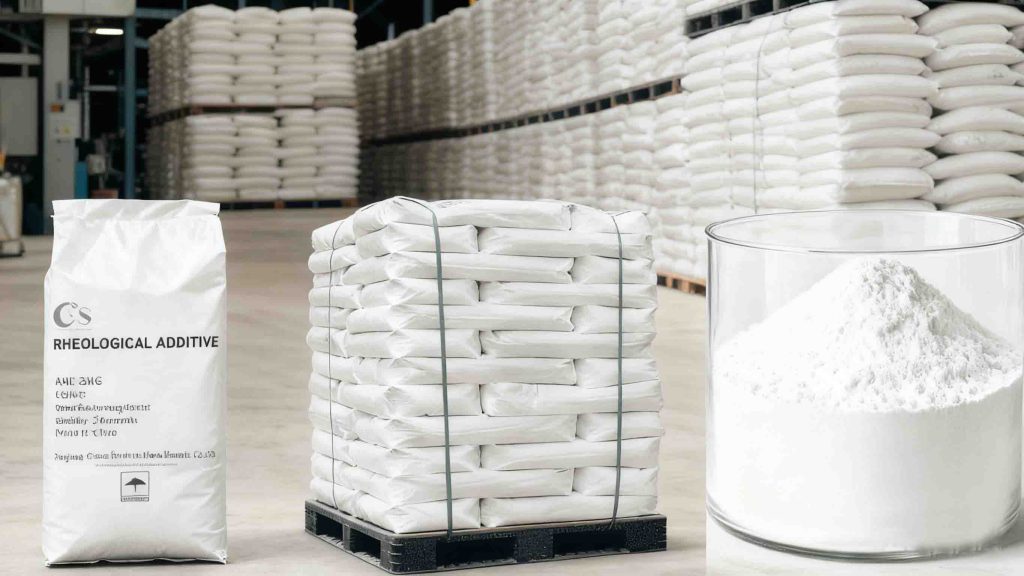
Packaging: The finished organoclay is securely packaged to ensure product integrity during storage and transportation.
Organically modified bentonite — commercially known as organoclay — is the non-aqueous form of bentonite clay used as a rheology modifier and anti-settling agent in drilling fluids, coatings, and lubricating greases; full product specifications are at organoclay — the commercial form of organically modified bentonite. The natural bentonite clay properties, including swelling capacity, mineral composition, and industrial grades, are described in bentonite clay — natural properties and modified bentonite grades. To source organically modified bentonite or natural bentonite grades, see organoclay supplier — organically modified bentonite factory.

微信
+86-13185071071
扫码添加微信 · Scan to add WeChat