Organoclay for Grease
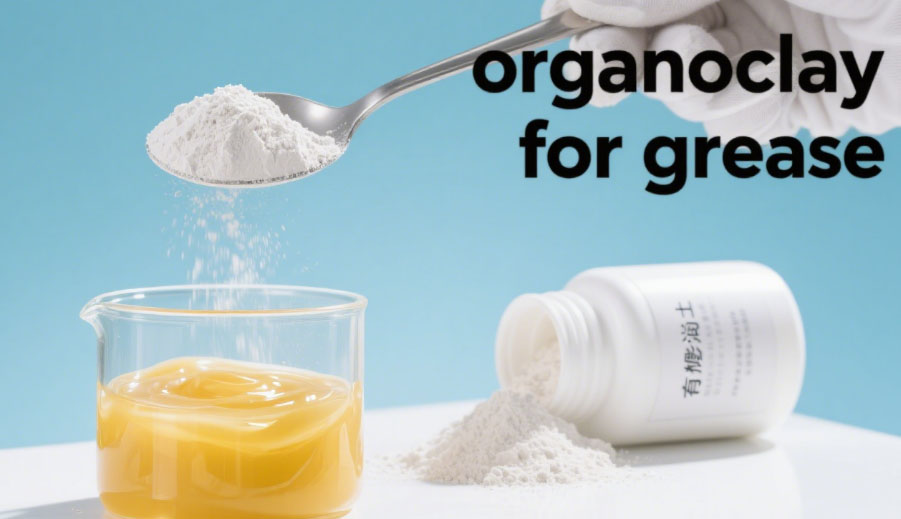
Organophilic clay CP-720A is a kind of purified and modified organoclay rheological additive, designed especially for using in Grease based on synthetic oils such as vegetable oil, polyester oil. Organic clay has high gelling efficiency, fine thixotropy and perfect anti-settling.
Organiclay bentonite CP-720A is used in the following applications:
- Grease Lubricant(the base oil is synthetic oil such as middle-high viscosity petroleum, mineral oil, diester oil, polyester oil, vegetable oil etc.)
- Wood coating
Advantages of Organoclay Rheological Additive
- High efficiency
- The gel is of light colour and high clarity
- Easy to use, no need to pregel
- Eliminate polar activator
- Consistent development of rheology
- Can be used to post correct
Properties of Organoclay
Composition Organic derivative of a montmorillonite clay
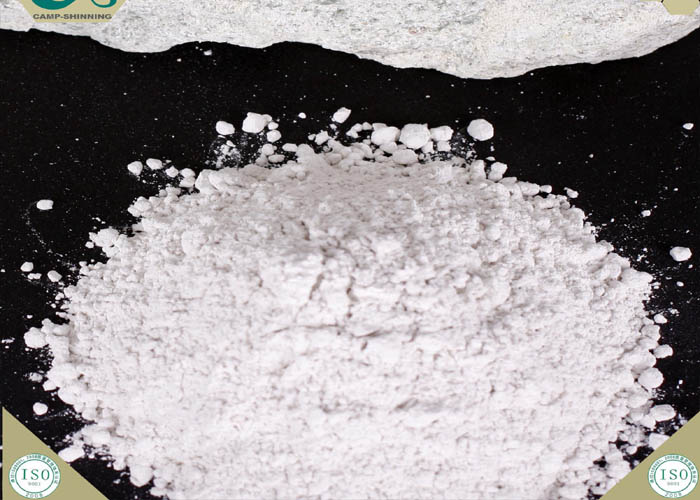
Appearance Fine powder, light yellow
Moisture content (105℃,2hr) ≤3.5%
Loss on ignition (1000℃) 34%-36%
Bulk density 0.42g/cm3
Fineness (<74μm, %) ≥98%
Organobentonite Packages
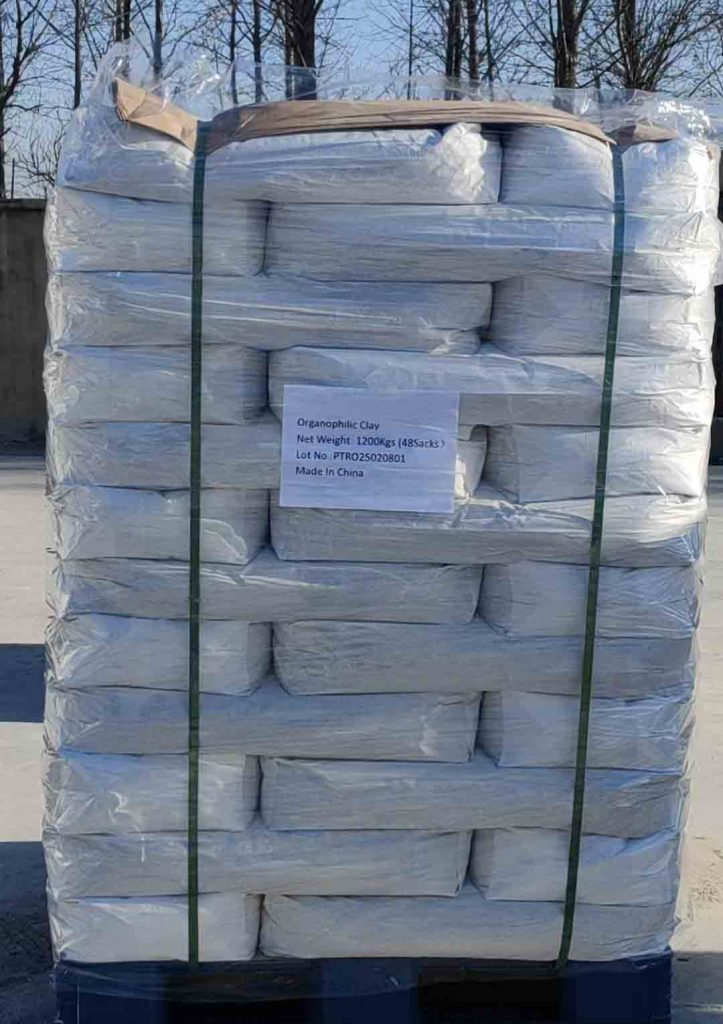
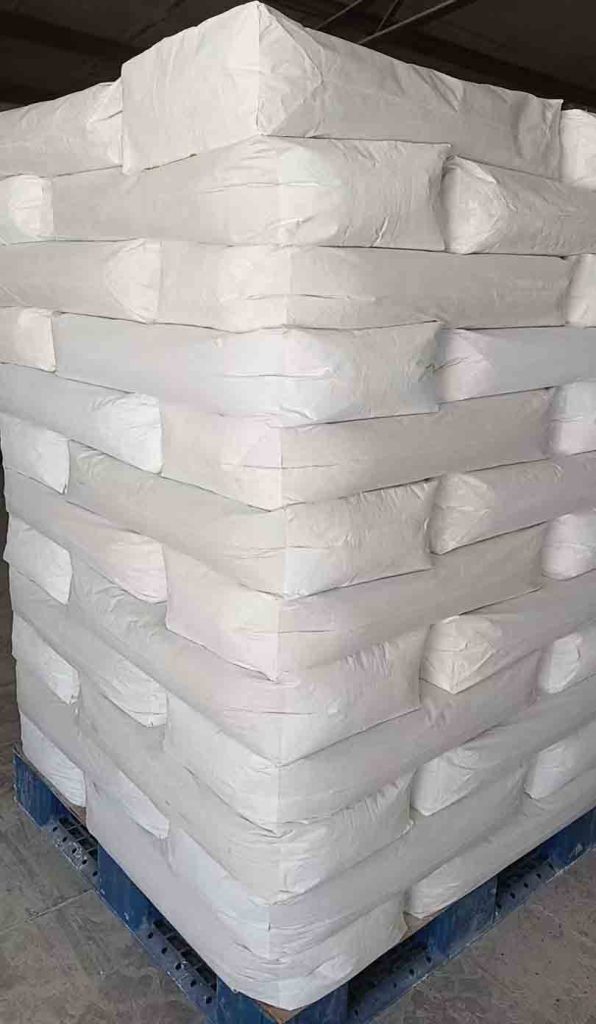
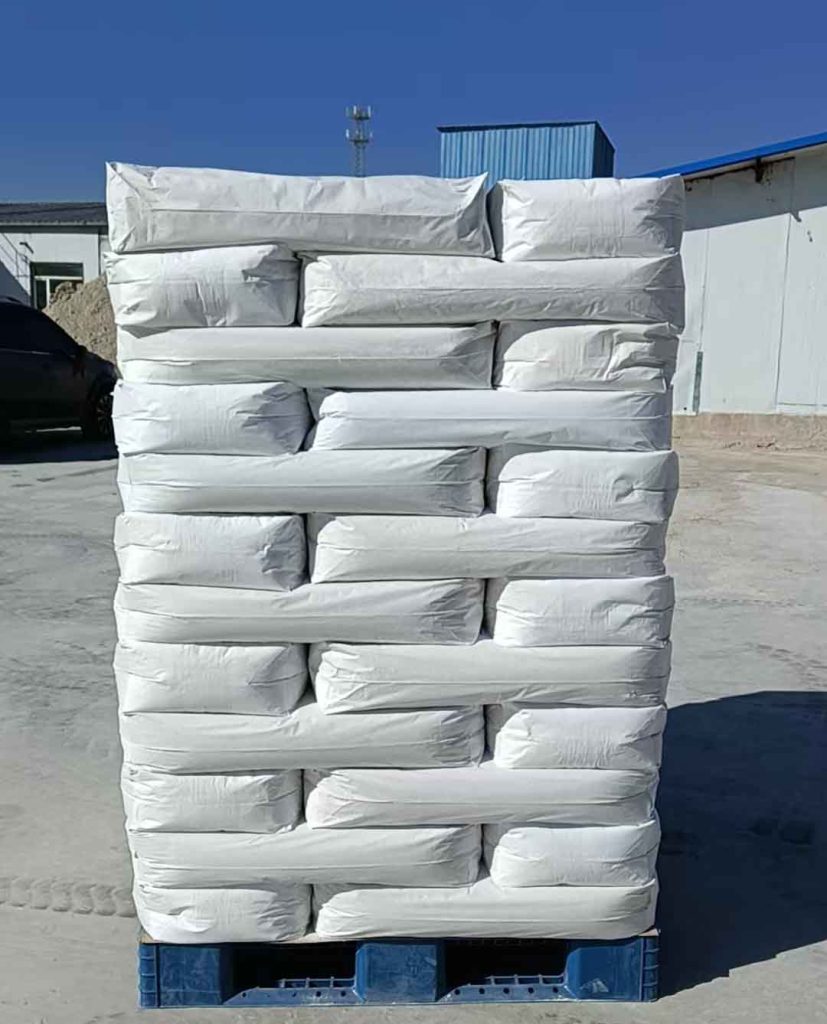
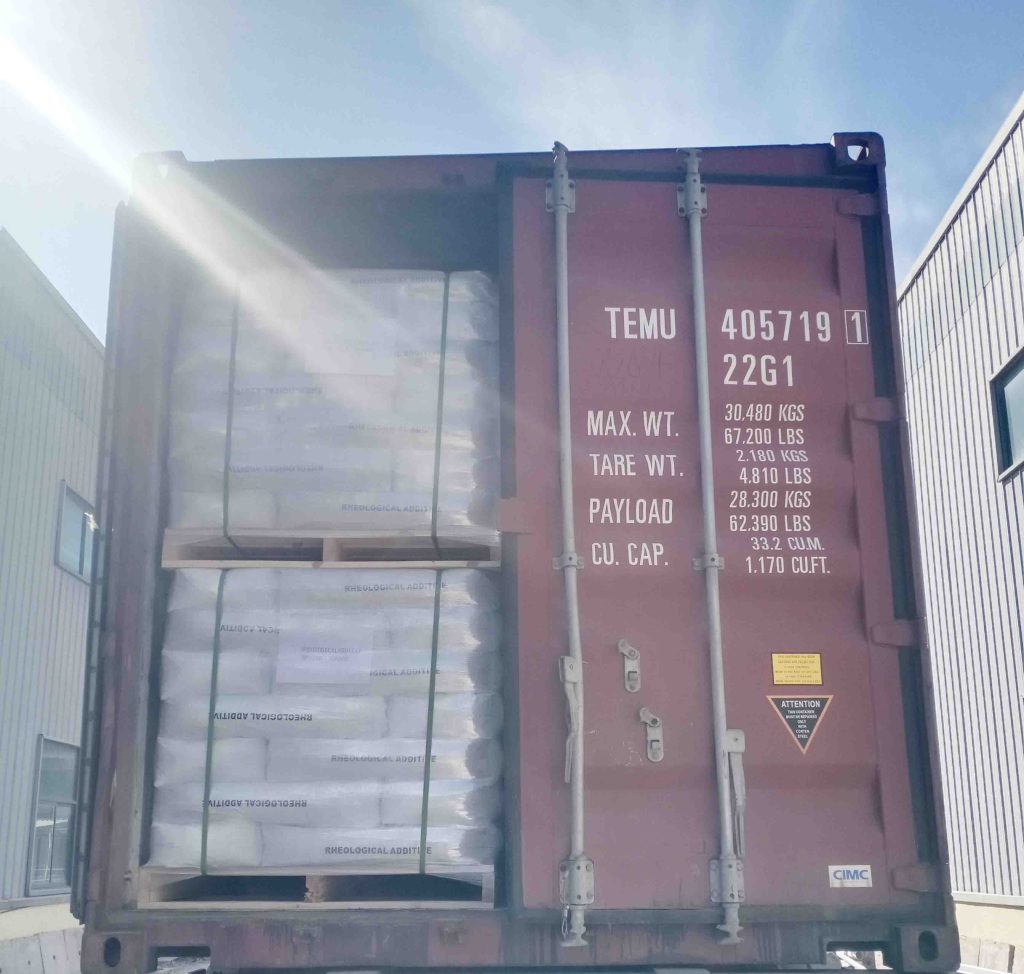
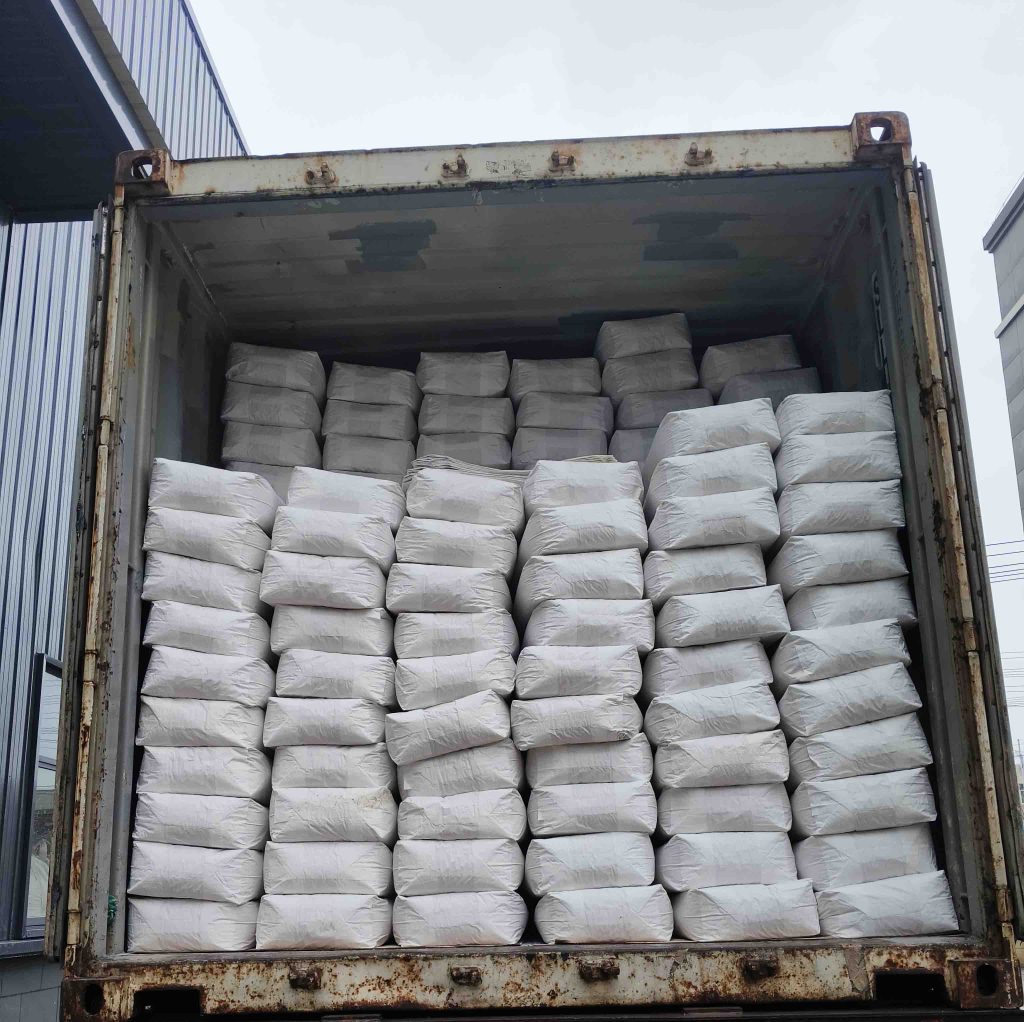
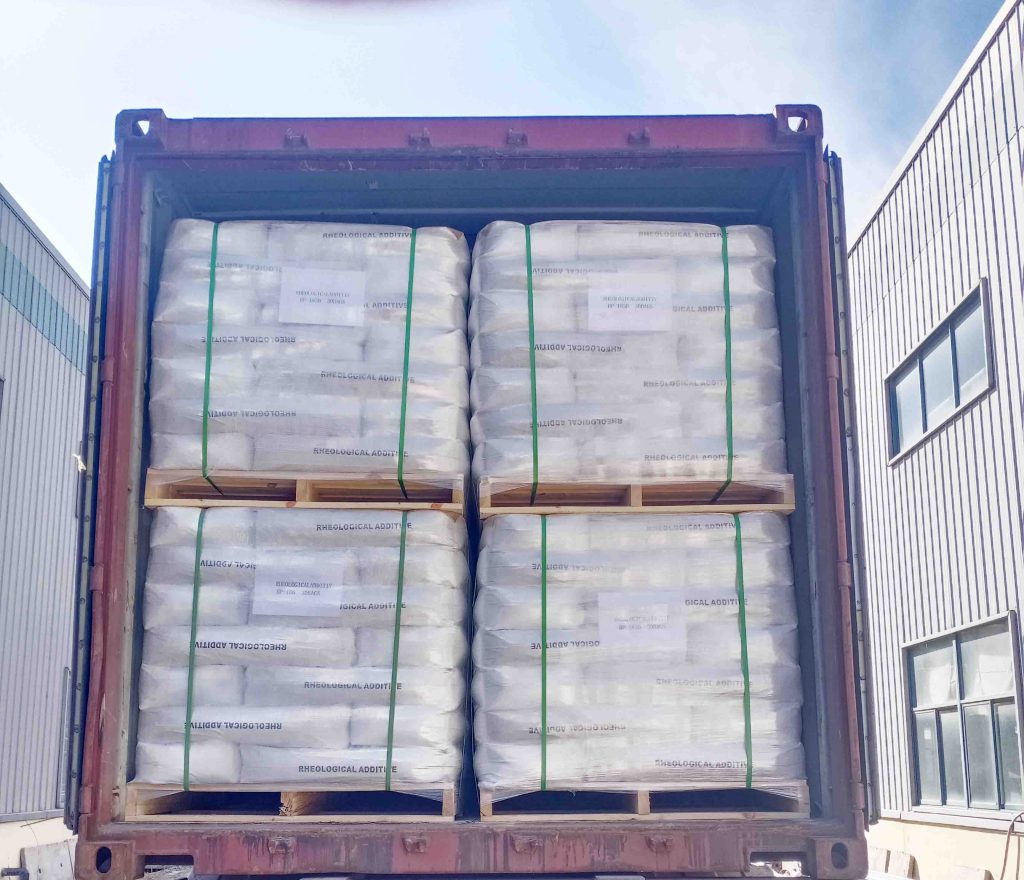
Kraft paper bag with PE liner or multi-wall paper sacks or customized. 25kg/bag or 22.68kg/bag or customized.
Organophilic clay Store in a dry, well-ventilated area with temperature of 0℃-30℃. Keep container closed. The quality guarantee period is 24 months.
When it is used in Grease Lubricant, polar activator is needed. Polar activator is acetone/water(95/5). The dosage of activator is 20%-30% of the weight of CP-720A. And also high shear can promote the dispersing of rheology modifier CP-720A.
Adding procedure as follows:
- If condition permits, heat the base oil to 60~70℃
- Add CP-720A while stirring, addition level is 7%-10% of the total formulation. Stir 5~10minutes
- Add polar activator, addition level is 2%-3% of the total formulation. Then add other additives, stir 25~30m
- Use pump to help it pass colloid grinding and homogenizer.
- Deair, filtrate, pack.
Note: With High-speed dispersant of grinding machine, and properly prolong the dispersing time, better gelatin performance can be reached.
The Lubricanting grease which uses organoclay as thickener will own high dropping point, thus can be used under high temperature and presents good impermeability and water resistance.